
Walk through the woodlands, hedgerows or even the edges of pastures across the South, and you may spot an unforgettable sight: clusters of brilliant, jewel-toned purple berries glowing along arching …
This item is available in full to subscribers.
Please log in to continue |

Walk through the woodlands, hedgerows or even the edges of pastures across the South, and you may spot an unforgettable sight: clusters of brilliant, jewel-toned purple berries glowing along arching green stems. This is the American Beautyberry (Callicarpa americana), a plant that is equal parts stunning, useful and steeped in tradition.
While often planted for its ornamental appeal, beautyberry has a long history as both a natural insect repellent and the key ingredient in a delicately flavored jelly that turns heads at any breakfast table.
This article takes you through everything you need to know: how beautyberry grows, why it's beneficial, how to harness it for an all-natural bug spray and how to transform its berries into a delicious jelly.
A beautyberry is a small fruit that turns a vivid purple color when ripe. The American Beautyberry is the most common type in the United States, but other varieties exist, including Asian species. American Beautyberry is native to the southern U.S., where it thrives in woodlands, fields and homesteads.
Seasonal changes: In spring, beautyberry shrubs produce green leaves and small white-to-pink flowers. By late summer or fall, the berries ripen into striking clusters of purple fruit.
Growth habit: Depending on the conditions, plants can be as small as 3-4 feet or grow into large shrubs nearly the size of small trees.
Ripening by zone: In southernmost areas like Florida, berries may ripen by mid-August, while further north in Tennessee or the Carolinas, ripening may not occur until late September or October.
The clusters of berries make the shrub visually unique, serving as both food for wildlife and a beautiful ornamental feature in the landscape.

Beautyberry grows naturally throughout much of the South, but because it often thrives in wild areas it can sometimes be tricky to spot.
In the wild: Look for it at the edges of forests, in sunny clearings or near fencerows.
Local nurseries: Many Southern nurseries carry beautyberry as an ornamental shrub, especially native plant specialists.
Respect harvesting: If foraging, avoid state parks, private property and roadside shrubs (which may have been sprayed with chemicals). Instead, look to your own yard, local farms or nurseries for reliable sources.
Beautyberry is hardy, low-maintenance and thrives in USDA zones 6-10.
Soil: Prefers well-drained but can adapt to a variety of soil types.
Sun: Does best in partial shade but can handle full sun with adequate water.
Watering: Drought-tolerant once established, but it appreciates occasional watering during extended dry spells.
Care: Requires little pruning beyond shaping or removing old canes in late winter.
Because it is native, beautyberry integrates beautifully into ecological landscapes. It provides food and cover for wildlife and needs minimal intervention compared to non-native ornamentals.

Beautyberry has more to offer than good looks.
Wildlife value: Its berries are an important food source for birds, deer and small mammals. Flowers attract pollinators such as bees and butterflies.
Low maintenance: Once established, beautyberry shrubs thrive with little care.
Cultural tradition: Long valued as an insect repellent, beautyberry has been used for centuries by Native peoples and rural families alike.
Culinary use: Though bitter when raw, the berries transform into a delicately flavored jelly that's both beautiful and delicious.
While birds and wildlife consume beautyberries without issue, people generally find them unpalatable raw. They are not poisonous, but their uncooked flavor is bland to bitter and can sometimes cause mild stomach upset. Cooking unlocks their potential, especially in jelly-making.
Freshly picked berries can be stored in several ways:
Short-term: Place in a zip-top bag and refrigerate; use within a few days.
Freezing: Freeze in airtight containers to preserve berries for jelly-making later in the year.
Long-term: Cook into jelly or syrup for extended storage.
Tip: Because berries ripen in small seasonal windows, freezing allows you to collect enough for a batch of jelly even if harvests are staggered.
One of the most fascinating traditional uses of beautyberry is as a mosquito repellent. Beautyberry leaves contain compounds such as callicarpenal, which scientific studies have shown to repel mosquitoes, ticks and even fire ants. This validates what Native Americans and early settlers long knew: crushing and rubbing the leaves onto skin or clothing helps ward off biting insects.
What it repels:

Ingredients:
Directions:
To use:
Mist onto skin and clothing before going outdoors. Reapply as needed, especially after sweating or swimming.
This natural spray is safe, chemical-free and a great way to involve kids in a simple garden project, many families even enjoy making their own labels for the bottles.
Why jelly and not jam?
Beautyberries have tiny seeds surrounded by only a thin layer of pulp, making jam unpleasantly seedy. Jelly is the preferred method because boiling and straining the berries creates a smooth, seed-free product.
Taste: Milder than expected, similar to grape jelly with a delicate floral note.
Color magic: The boiled berry juice turns brown, but when sugar and pectin are added, it transforms back into a gorgeous pink-purple hue.
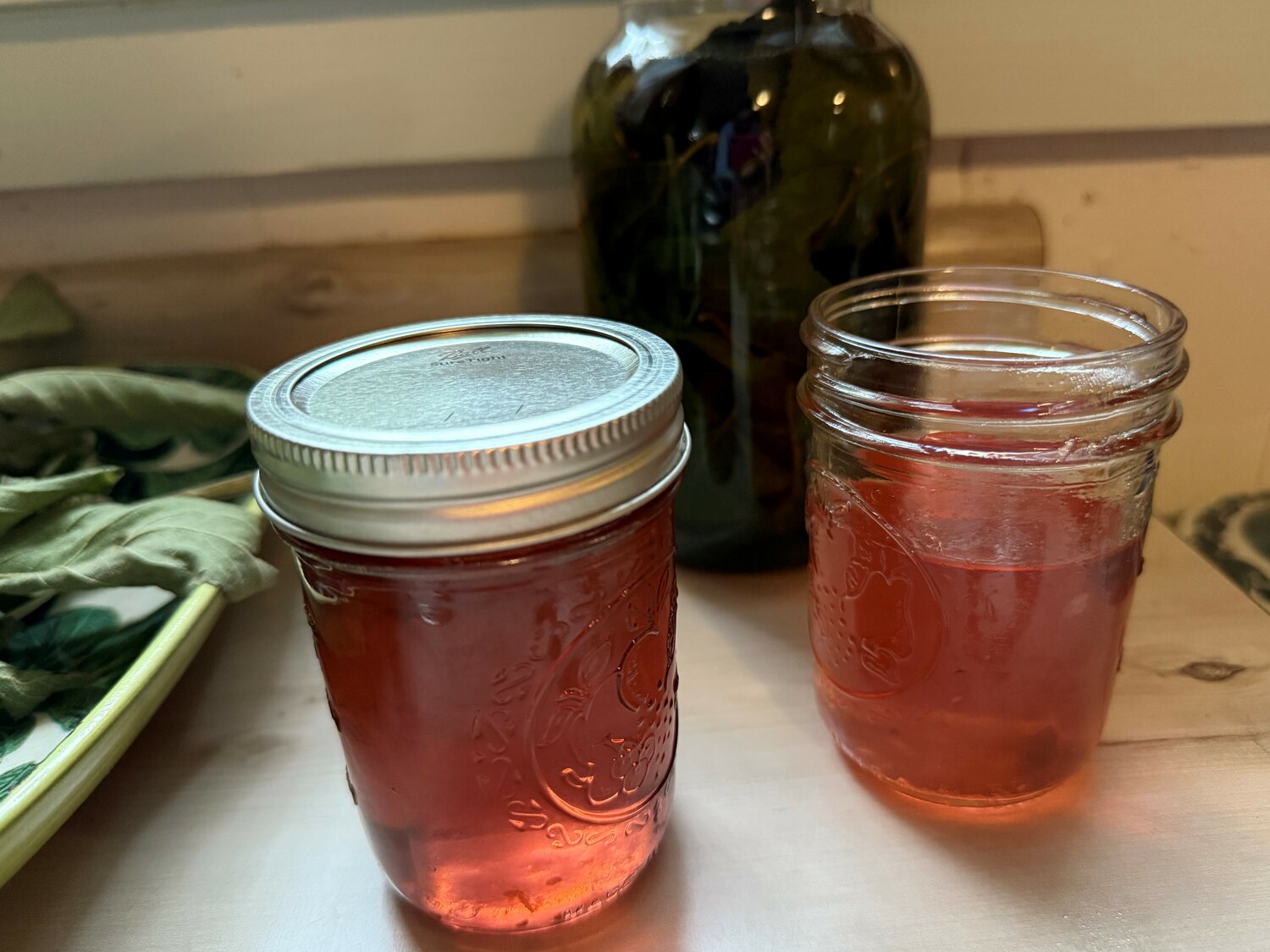
Ingredients:
Directions:
Tips:
The American Beautyberry is a prime example of a plant that is both ornamental and practical. In the landscape, it adds brilliant color and supports wildlife. In the home, its leaves can be transformed into a safe, effective insect repellent and its berries into a stunning jelly.
From the Gulf Coast to the Appalachians, this native shrub has a place in every Southern garden. Plant it once, and you'll enjoy not only the seasonal beauty but also the timeless utility of this remarkable plant.


