
Internet infrastructure is not just a need in Baldwin County, as communities across the state and region have tried to find ways to provide their residents with dependable, fast access.
While …
This item is available in full to subscribers.
Please log in to continue |
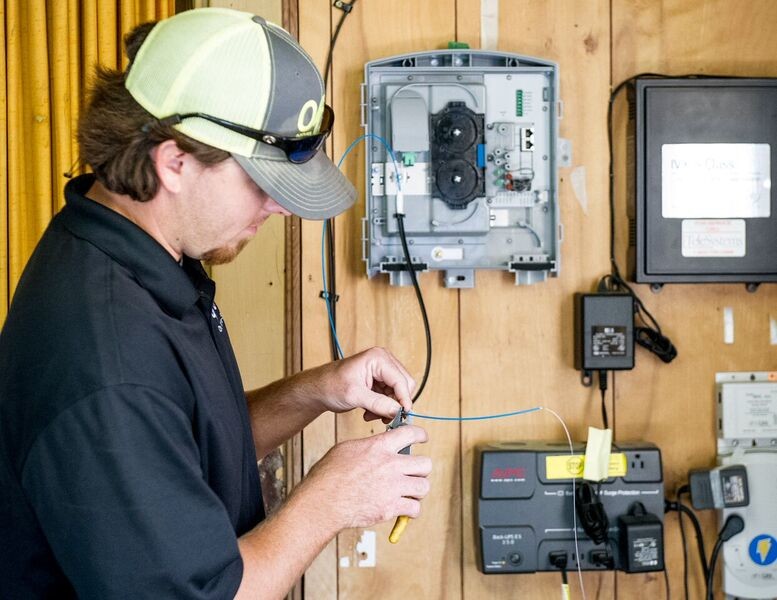
Internet infrastructure is not just a need in Baldwin County, as communities across the state and region have tried to find ways to provide their residents with dependable, fast access.
While Baldwin County continues to try to find ways to address the needs of both residents and businesses, one Alabama city has moved forward on its own to bring internet service to its residents – Opelika.
Opelika, which bills itself as Alabama’s “First Gig City” began four years ago by putting fiber lines across the entirety of the city’s corporate limits, a move that began because of the lack of competition in their market.
Opelika Mayor Gary Fuller said, at the time, the major concern with his city’s residents were the lack of pricing options and service availability from the city’s only true cable and internet provider – Charter Communications.
“I’m a free enterprise guy, but Charter had the absolute worst customer service in the world,” Fuller said. “Before we created that competition, we suffered from predatory pricing because there was nowhere else for Opelika folks to turn.”
Fuller said no taxpayer money was used to create Opelika’s new cable and internet offering.
“There is no taxpayer money involved in this at all and there hasn’t been,” Fuller said. “The law is very specific that we can’t take taxpayers nor can we make it a general obligation to the city.”
Opelika does have its own power company, which is where the revenues came from to provide the necessary startup funds for the fiber project.
Fuller said a good number of citizens in his city have swapped to the city’s program to get cable and internet services, with the ability to get local service being a major reason for their switch.
“With the other guys, you could be on hold for 20 minutes, talk to somebody in Pakistan and then be told they’re going to come fix it days later and they may not even show,” Fuller said. “Most of the time, we can tell folks what to do on the phone and it’s somebody that speaks Southern. If we can’t get you satisfaction right then, we’re going to roll out a truck. That’s the difference we can provide.”
While giving local residents access to fast, reliable internet and capable was the initial goal of the project, Fuller said the economic development capabilities were also soon evident.
“It certainly gives us something to talk about when we’re talking to prospects to be in the only city in Alabama to offer that kind of speed,” Fuller said.
Opelika Power Services director Derek Lee said being able to offer up to 1 gigabyte of speed to major industrial clients has been a good selling point for the city.
“The major benefit is really industry at this point in time,” Lee said. “From an economic development standpoint, it helps get us on the map for some projects that Opelika may not have been on before.”
Lee said the benefits to residents are also readily apparent.
“With the speeds we’re able to offer, you can have several residents in the home on six or seven different devices and not suffer any kind of lags or slowdowns on your speed,” Lee said. “But with the fiber and equipment we have in place, we’ll continue to be able to have the up and down speeds to meet any needs our customers may have. The way technology keeps developing, it’s only a matter of time before more capability will be needed, and we already have everything in place to be able to accommodate that.”
$43 million was invested into the program to get it started and stretch fiber across the city’s border, but Fuller said that four years out, the program has almost broken even.
“When we started this, we told the citizens we’d probably be able to break even within five years, and we’re certainly on track to do this,” Fuller said.
Fuller added that the city’s next move was to ask the state legislature to allow them to reach out to customers outside of the city’s limits.
“Right now, we can only serve people in Opelika city limits,” Fuller said. “We’re getting requests from people in Auburn and out in the county that are requesting our service. At some point, we hope the legislature will allow us to serve folks out there lost in the digital desert.”
Fuller said if he had to do it over again, he thought the city would likely be on the exact same path it is now, looking toward the future.
“If you look back in history, it reminds me of what we used to see with the railroads,” Fuller said. “If a community had a railroad line, it was probably a pretty thriving community. That really made the difference. After that came the interstate and the changes it made. Now, we think it’s the information superhighway that’s going to make a difference, and we’re in a perfect position to reap all of the benefits that are going to come along with that.”


